

5 Key Factors to Consider When Choosing Your Digital Transformation Solution:
A Friendly Guide to Smart Selection
In today's rapidly evolving business landscape, selecting the right digital transformation solution is crucial for success. This guide will help you navigate the complexities of digital transformation by highlighting five key factors to consider. By understanding these factors, you can make informed decisions that align with your business goals and enhance operational efficiency. Digital transformation solutions encompass a range of technologies and strategies designed to modernize IT infrastructure and improve service delivery. As businesses face increasing pressure to adapt, knowing how to choose the right solution becomes essential. This article will cover the types of digital transformation software available, how to evaluate vendors, the importance of integration and scalability, and how to measure ROI effectively.
Indeed, the strategic importance of digital transformation for global competitiveness is underscored by international bodies.
Digital Transformation: Key to International Competitiveness
As declared by the European Commission (EC) (2020b), digital transformation is key for Europe to remain competitive at the international level. Both private co
The D-BEST reference model: A flexible and sustainable support for the digital transformation of small and medium enterprises, C Sassanelli, 2022
What Types of Digital Transformation Software Should You Know About?
Digital transformation software comes in various forms, each designed to address specific business needs. Understanding these types can help you identify which solutions align best with your objectives. The primary categories include cloud migration strategies, IT infrastructure modernization, and digital transformation consulting services. Each type plays a vital role in enhancing operational efficiency and driving innovation within organizations.
How Do Different Software Solutions Support Your Business Goals?
Different software solutions support business goals by streamlining processes, enhancing collaboration, and improving data management. For instance, cloud-based solutions enable remote access to data and applications, fostering flexibility and scalability. Additionally, IT infrastructure modernization ensures that systems are up-to-date, reducing downtime and improving performance. Successful implementations of these solutions often lead to increased productivity and better customer experiences.
Which Digital Tools Are Leading the Market in 2026?
As we look towards 2026, several digital tools are emerging as leaders in the market. These include advanced analytics platforms, customer relationship management (CRM) systems, and enterprise resource planning (ERP) software. Each of these tools offers unique features that cater to specific business needs, such as data-driven decision-making, enhanced customer engagement, and streamlined operations. Staying informed about these tools can help businesses remain competitive in a digital-first world.
How Can You Evaluate Digital Transformation Vendors Effectively?

Evaluating digital transformation vendors is a critical step in the selection process. The right vendor can significantly impact the success of your digital initiatives. Key criteria for vendor selection include their experience, the range of services offered, and customer support capabilities. A thorough evaluation process will help ensure that you choose a vendor that aligns with your business needs and can provide the necessary support throughout your transformation journey.
What Criteria Help You Pick the Right Vendor for Your Needs?
When selecting a vendor, consider the following criteria:
- Experience and Expertise: Look for vendors with a proven track record in digital transformation.
- Service Range: Ensure the vendor offers a comprehensive suite of services that meet your specific needs.
- Customer Support: Reliable support is essential for addressing issues that may arise during implementation.
These criteria will help you assess vendor capabilities and make an informed decision.
How Important Is Vendor Support and Service in Your Decision?
Vendor support and service play a crucial role in the success of your digital transformation. Reliable support ensures that any issues are promptly addressed, minimizing disruptions to your operations. Additionally, strong vendor relationships can lead to better collaboration and more effective problem-solving. As you evaluate potential vendors, prioritize those that demonstrate a commitment to customer service and ongoing support.
Why Are Integration and Scalability Crucial for Your Digital Transformation?
Integration and scalability are vital components of any digital transformation strategy. Effective integration ensures that new solutions work seamlessly with existing systems, minimizing disruptions and enhancing overall efficiency. Scalability, on the other hand, allows businesses to adapt to changing demands and grow without significant overhauls to their IT infrastructure.
How Does Integration Affect Your Existing IT Infrastructure?
Integration affects your existing IT infrastructure by ensuring that new software solutions can communicate effectively with legacy systems. This seamless interaction reduces the risk of data silos and enhances overall operational efficiency. Businesses that prioritize integration can expect smoother transitions and improved data flow across departments.
What Makes a Solution Scalable for Growing Businesses?
A scalable solution is characterized by its ability to accommodate increased workloads without compromising performance. Key features of scalable solutions include modular architecture, cloud-based capabilities, and flexible licensing options. These attributes allow businesses to expand their operations and adapt to market changes without incurring significant costs.
Expanding on the Human Element: Change Management and Cultural Shift in Digital Transformation
While technology is at the core of digital transformation, the human element is equally critical to success. Change management and cultural readiness are essential factors that determine how well an organization adapts to new digital solutions. Without proper attention to these areas, even the best technology investments can fail to deliver expected benefits.
Employee Training and Engagement: Comprehensive training programs ensure that employees understand and can effectively use new tools. Engaging staff early in the transformation process fosters ownership and reduces resistance.
Change Management Strategies: Structured approaches such as ADKAR (Awareness, Desire, Knowledge, Ability, Reinforcement) help guide organizations through transitions. Clear communication, leadership support, and feedback mechanisms are vital components.
Cultural Readiness Assessment: Before selecting a digital transformation solution, assess your organization's culture to determine its readiness for change. This includes evaluating openness to innovation, collaboration levels, and adaptability.
Practical Steps to Foster Cultural Shift:
- Conduct surveys and interviews to gauge employee sentiment and readiness.
- Develop a change champion network to advocate and support transformation efforts.
- Align transformation goals with organizational values and mission.
- Provide ongoing support and recognize milestones to maintain momentum.
Addressing the human side of digital transformation ensures smoother adoption, higher employee satisfaction, and ultimately, better business outcomes.
How Do You Measure ROI and Business Impact from Digital Transformation?

Measuring ROI and business impact from digital transformation is essential for understanding the effectiveness of your investments. Key metrics to consider include cost savings, productivity improvements, and customer satisfaction levels. By tracking these metrics, businesses can gain insights into the success of their digital initiatives and make data-driven decisions for future investments.
What Metrics Show Your Transformation Success?
To gauge the success of your digital transformation, focus on the following metrics:
- Cost Savings: Analyze reductions in operational costs resulting from improved efficiencies.
- Productivity Improvements: Measure increases in employee output and task completion rates.
- Customer Satisfaction: Use surveys and feedback to assess customer experiences and satisfaction levels.
These metrics provide a comprehensive view of your transformation's impact on the business.
How Can You Use ROI Insights to Guide Future Investments?
Using ROI insights effectively can guide future investments by highlighting areas of success and opportunities for improvement. By analyzing the data collected from your digital transformation efforts, you can identify which initiatives yield the highest returns and allocate resources accordingly. This strategic approach ensures that your investments align with your business goals and drive continued growth.
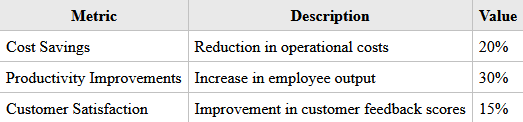
This table illustrates the key metrics for measuring ROI and business impact, providing a clear framework for evaluating the success of digital transformation initiatives.
Real-World Case Studies Demonstrating the Five Key Factors
Case Study 1: Retail Chain Modernizes IT Infrastructure to Boost Customer Experience
A national retail chain implemented a cloud migration strategy combined with IT infrastructure modernization to improve its online and in-store customer experience. By carefully evaluating vendors with strong customer support and scalable solutions, the company reduced downtime by 40% and increased online sales by 25% within the first year. Their focus on integration allowed seamless data flow between sales channels, enhancing inventory management and customer personalization.
Case Study 2: Manufacturing Firm Faces Challenges Due to Poor Change Management
A mid-sized manufacturing company invested heavily in advanced analytics and ERP software but neglected employee training and cultural readiness. Despite the technology's potential, adoption was slow, and productivity gains were minimal. After conducting a cultural readiness assessment and implementing structured change management strategies, the company saw a 20% increase in employee engagement and a 15% boost in operational efficiency within six months.
Case Study 3: Financial Services Provider Leverages Vendor Expertise for Scalable Growth
A financial services provider selected a vendor with extensive experience and a broad service range to support its digital transformation. Prioritizing vendor support and scalability, the company successfully integrated new CRM and analytics platforms with legacy systems. This approach enabled them to scale operations rapidly, resulting in a 30% increase in customer retention and a 22% reduction in operational costs over two years.
In conclusion, choosing the right digital transformation solution involves careful consideration of various factors, including software types, vendor evaluation, integration, scalability, change management, and ROI measurement. By understanding these elements, businesses can make informed decisions that drive success in their digital transformation journeys. For tailored support in navigating these complexities, consider partnering with experts like Dolphin IT Solutions, who specialize in IT infrastructure and digital transformation solutions for small to medium-sized enterprises.
Frequently Asked Questions
What are the most important factors to consider when choosing a digital transformation solution?
Key factors include the type of software, vendor experience and support, integration capabilities, scalability, change management, and how to measure ROI effectively.
How can I evaluate if a vendor is right for my digital transformation needs?
Assess vendors based on their experience, range of services, customer support quality, and their ability to provide scalable and integrated solutions aligned with your business goals.
Why is change management important in digital transformation?
Change management ensures employees are prepared and engaged, reducing resistance and improving adoption of new technologies, which is critical for successful transformation.
How do integration and scalability impact digital transformation success?
Integration ensures new solutions work smoothly with existing systems, while scalability allows your IT infrastructure to grow with your business needs without costly overhauls.
What metrics should I track to measure the ROI of digital transformation?
Track cost savings, productivity improvements, and customer satisfaction to evaluate the financial and operational impact of your digital initiatives.
How can I assess my organization's readiness for digital transformation?
Conduct cultural readiness assessments, including surveys and interviews, to evaluate openness to change, collaboration, and adaptability before selecting a solution.
Can you provide examples of successful digital transformation implementations?
Yes, for example, a retail chain improved customer experience and sales through cloud migration and integration, while a financial services provider leveraged vendor expertise for scalable growth and cost reduction.